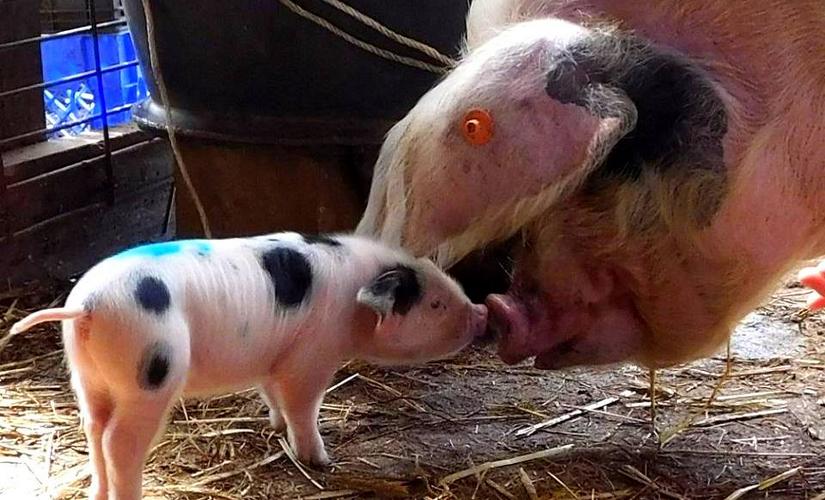
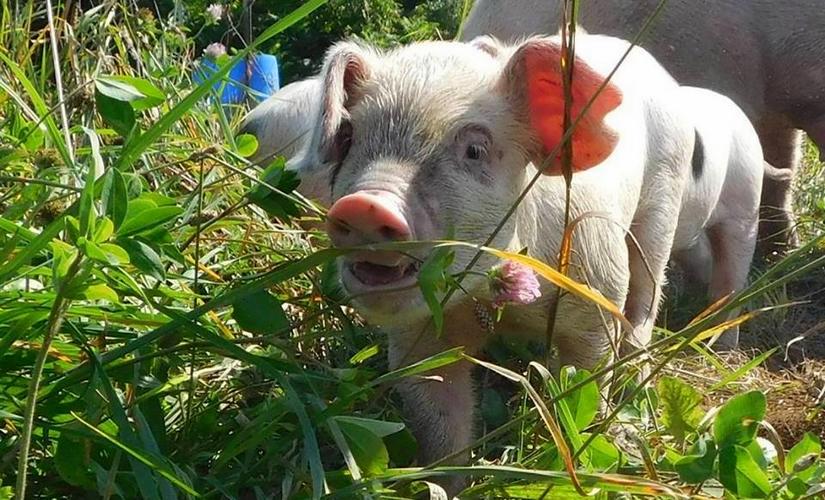
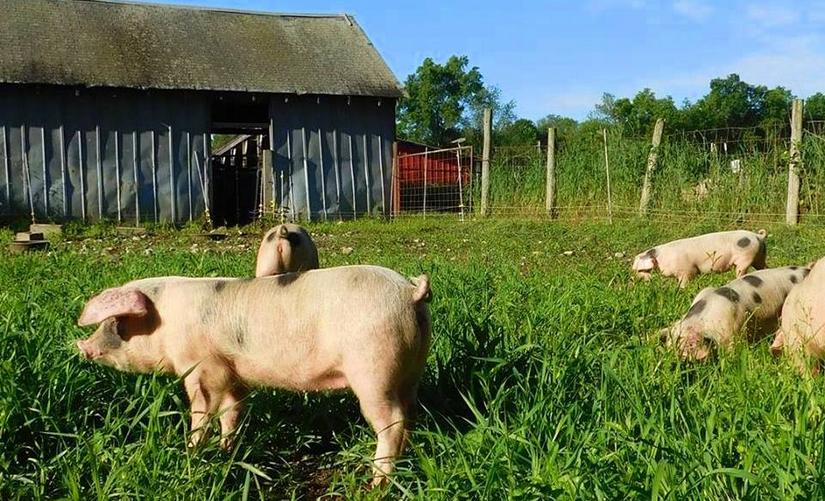
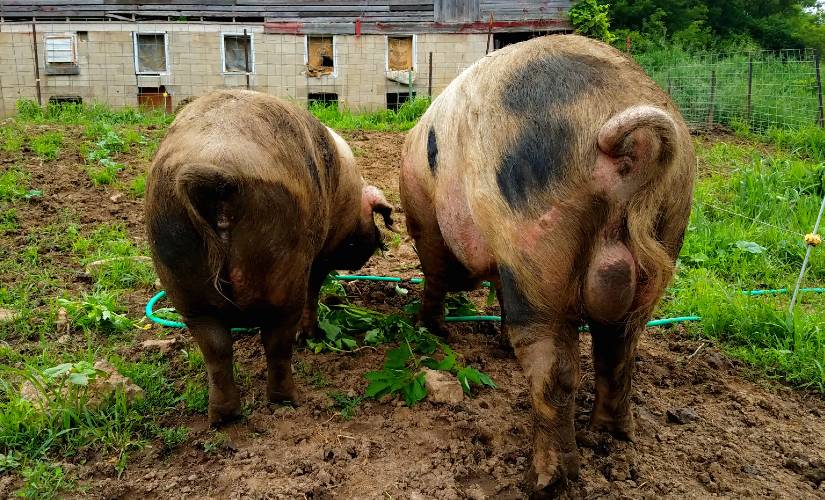
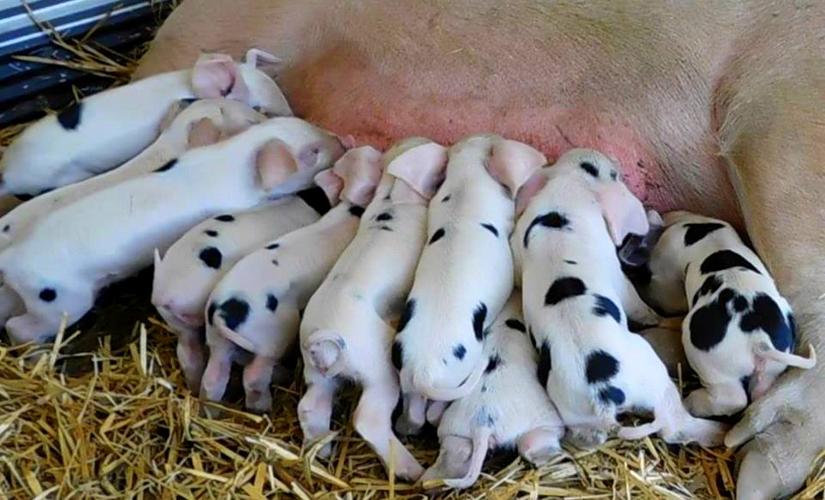
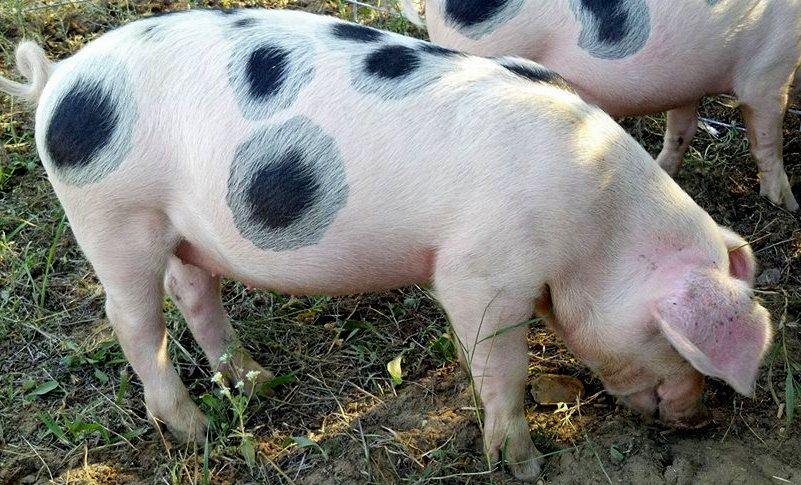
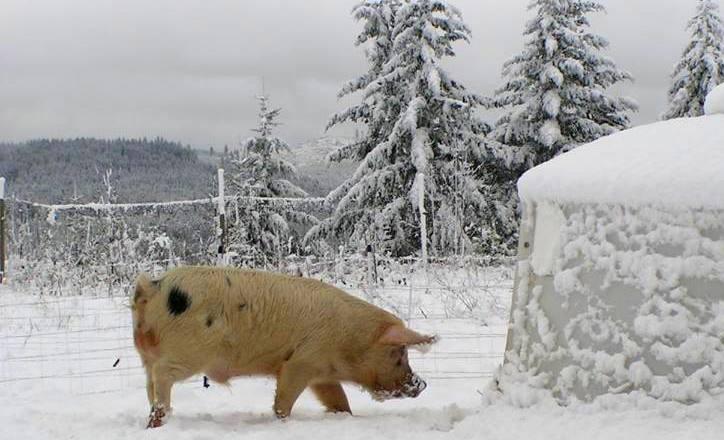
Welcome to GOSA (Gloucestershire Old Spots of America Inc): The founding breeders registry for GOS hogs in the United States. GOSA promotes the GOS herd population in the United States by supporting breeders, pork producers, small farmers, new farmers, chefs, University researchers, peer heritage breed conservancy’s, and YOU.
GOSA was established in 1996 and holds the original records and institutional history that will lead this important heritage breed to a vibrant future.
Reminder of GOSA’s Annual General Meeting
Save the Date December 18, 2023, 7PM Central time. At the annual meeting we pause to reflect back on the year. This is where we take the time to celebrate our accomplishments. Highlight key projects, and the volunteers who make them happen. And we chart our course for next year.
***If you missed the AGM, GOSA can send members the slides. Just contact us to request them. ***
GOSA is a non-profit membership based organization that is run entirely by volunteers. GOSA’s purpose is to preserve and promote Gloucestershire Old Spots Hogs which are a heritage and critically endangered breed of livestock.
Gloucestershire Old Spots of America, Inc.
P.O. Box 1004, Aromas, California, 95004
Email: